Lean on Your Neighbor Before You Lean on Washington
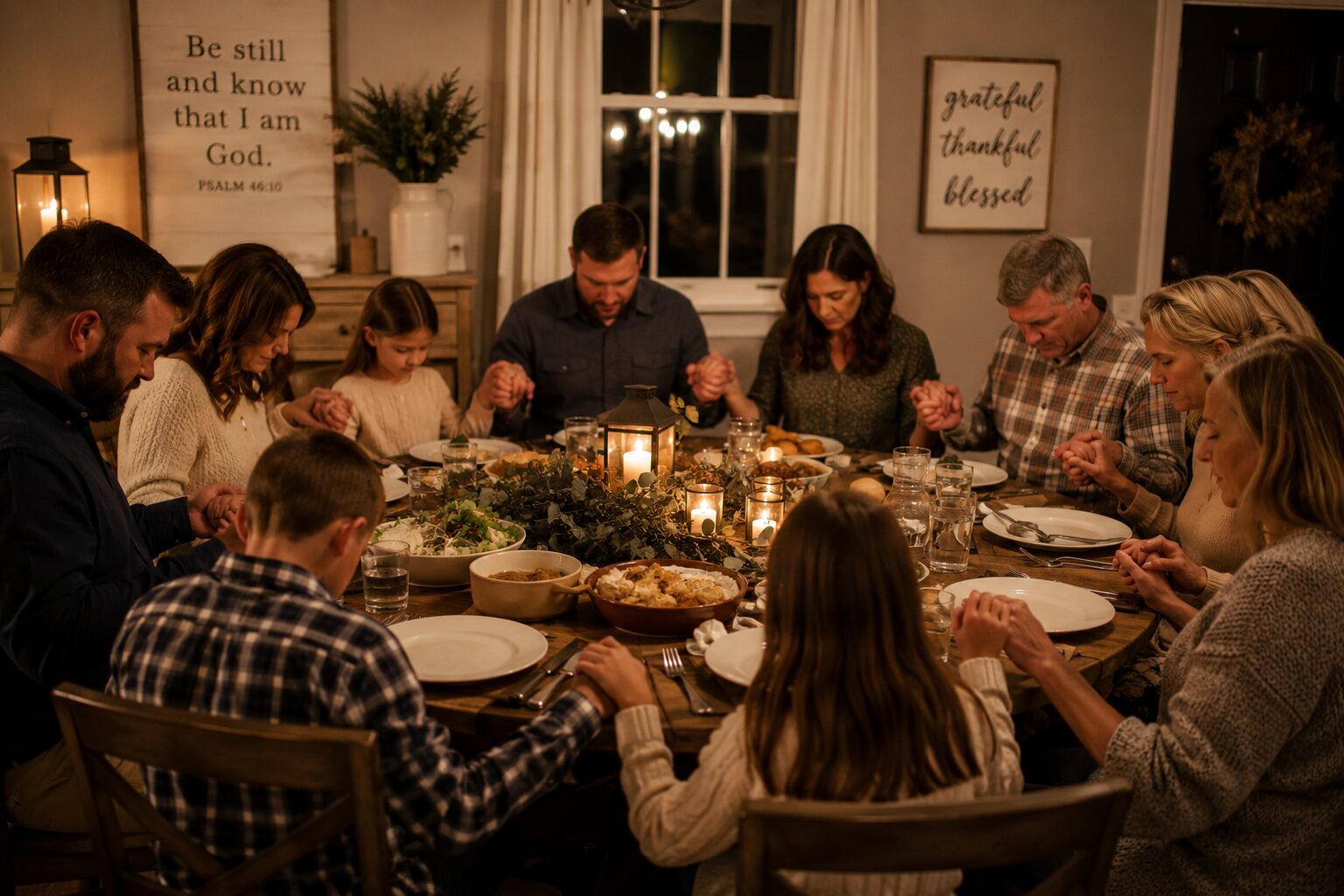
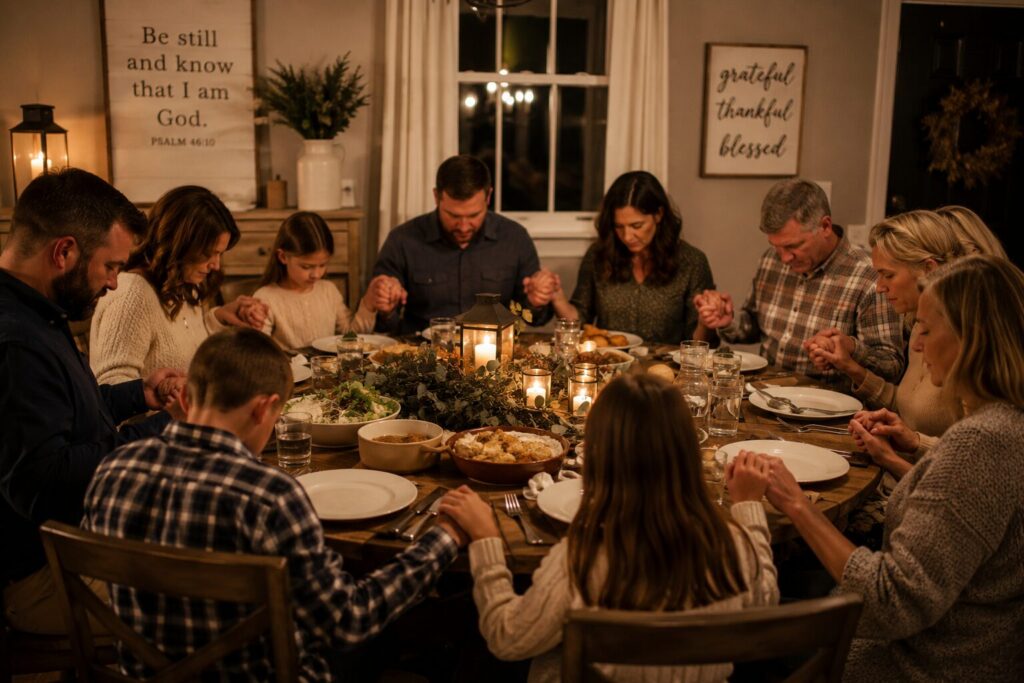
There was a time when the strongest safety net in America wasn’t found in a government office. It was found around a dinner table.
When someone lost a job, family members showed up with groceries. When a baby was born, neighbors dropped off meals. Churches collected offerings for widows. Grandparents helped raise grandchildren. Friends built barns, fixed roofs, and sat beside hospital beds. Communities weren’t perfect, but people understood that we belonged to one another.
I was thinking about the day the first wall of my childhood home was built. My parents didn’t hire a construction crew. Instead, friends came together to help. I remember the day so clearly. They stood shoulder to shoulder, holding the first exterior wall upright while it was fastened into place. Then they did the same for the second, the third, and the fourth wall until the frame of a home stood where there had only been a foundation.
That picture has always stayed with me.
Those walls weren’t held up by money. They were held up by relationships. They weren’t held up by a government, but by people willing to give up a Saturday because someone else needed them. That is the kind of community I wish more of us had today.
Somewhere along the way, we’ve become increasingly disconnected. The internet has contributed to this.
Today, many of us know more about national politics than we do about the people living three houses down. We debate what the government should do while sometimes overlooking what we could do for one another.
The Government has an important role. It provides public services, maintains infrastructure, protects public safety, and offers programs that many people rely on during difficult seasons. Those services matter. But the government was never designed to replace relationships. It cannot hug a grieving widow, mentor a struggling teenager, celebrate a graduation, console a pregnant teen or teach a child what unconditional love looks like.
Healthy communities are built one relationship at a time.
One place where this tension becomes especially visible is marriage.
Across the country, many couples have discovered that getting married can actually leave them financially worse off. Depending on income, healthcare, taxes, housing assistance, disability benefits, or other means-tested programs, some people find they would lose valuable benefits if they legally married. Economists and policymakers often refer to this as a “marriage penalty” when financial rules create disincentives for marriage.
Think about that for a moment.
When a society creates financial incentives that make marriage harder instead of easier, it sends a confusing message. We say we value strong families, yet some policies unintentionally encourage couples to remain legally single.
This is when I start to have an issue with the government interceding in relationships. If we know the value of an active father in a home, why is the government not doing everything possible to keep that father involved in the family unit.
This isn’t about criticizing people who make difficult financial decisions. If a couple is trying to feed their children or afford medical care, they are responding to the incentives placed in front of them. The larger question is whether our policies should unintentionally force families into that position in the first place.
Strong families have long been associated with many positive outcomes for both adults and children, although every family is unique and many single parents and unmarried caregivers provide loving, stable homes. Stable, supportive relationships can reduce loneliness, create stronger support systems, and help communities weather hardship together.
When marriage becomes financially risky, we should ask whether we’ve designed our systems wisely.
More importantly, we should ask ourselves another question.
Have we forgotten how to depend on one another?
Imagine if every neighborhood had people who checked on the elderly. Imagine churches that knew every family struggling to pay rent. Imagine local businesses mentoring teenagers. Imagine families inviting lonely neighbors to Sunday dinner. Imagine communities where asking for help wasn’t embarrassing because everyone both gave and received help at different times.
No government program can manufacture that kind of community.
It grows through trust, generosity, sacrifice, and shared responsibility.
Perhaps one of the greatest challenges facing America today isn’t simply economic or political. It’s relational. We’ve become increasingly isolated, even while living closer together than ever before.
The answer may not be found solely in passing another law or creating another program. It may begin with something much smaller: introducing yourself to your neighbor, inviting another family over for dinner, mentoring a child, volunteering at your church, or helping someone through a difficult season.
We often talk about rebuilding our country. Maybe we should start by rebuilding our communities.
Because homes are built one wall at a time, but communities are built one relationship at a time.
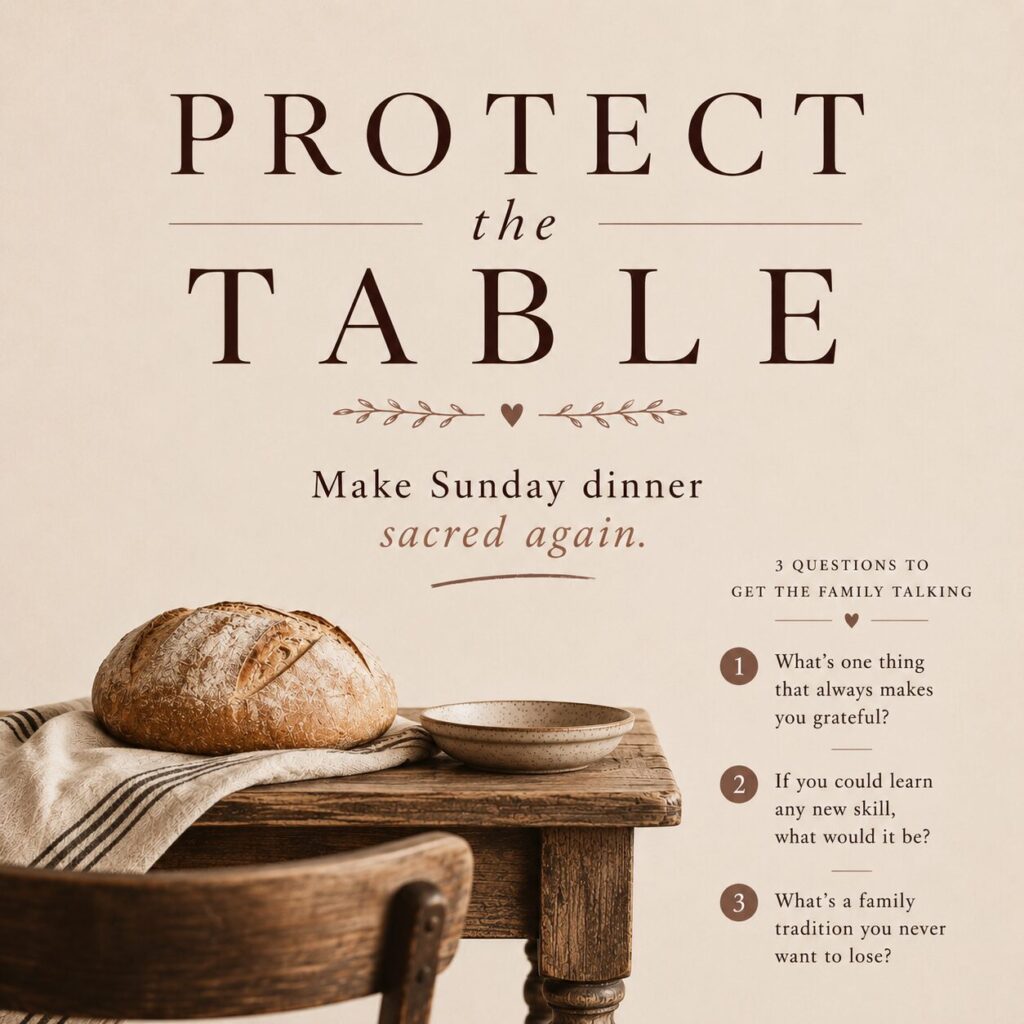
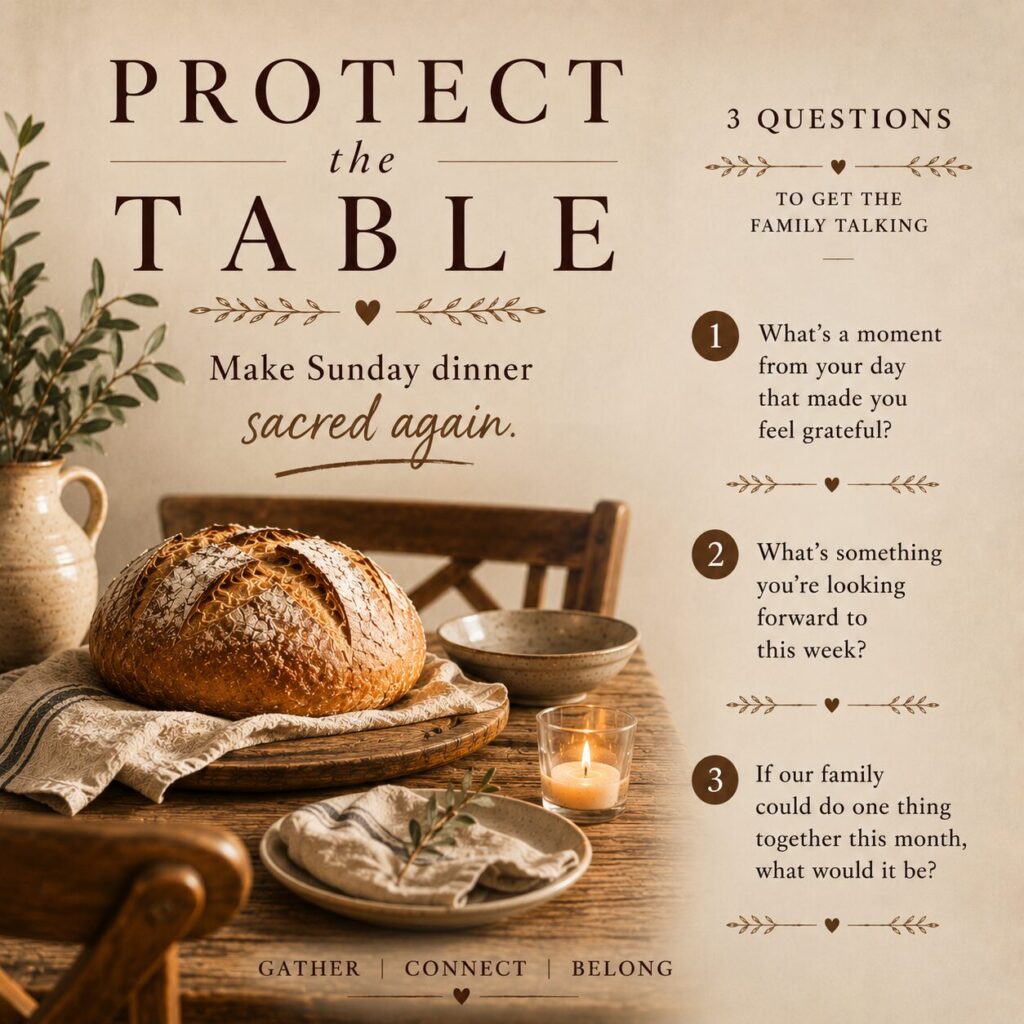
Protect the table.
Then invite your neighbors to it.